


| GSM Modem | ||
|---|---|---|
| Wireless communication | ||
| Module type |
Industrial computing |
Availability:  product unavailable product unavailablePrice: Inquiries: 
iMod-92XX-EDGEModBus telemetry module. Datalogger, modbus gateway, alarm channels, converter, 1-wire, Ethernet, Linux, ARM9, SD, MMC, Flash, fanless, SNMP, WWW panel, BOX, router, 180MHz, device server, CPU ARM9 180MHz, 2x RS-232, 1x RS-485, do, usb, zigbee, relay, di, 10/100 TX, analog in, built in GSM/GPRS/EDGE modem
TECHBASE
iMod presents an innovational approach to telemetry and automation systems. iMod is a configurable ModBus device
based on the efficient NPE hardware and system platform (linux).
Schema below shows hardware resources of the NPE platform which provides also iMod 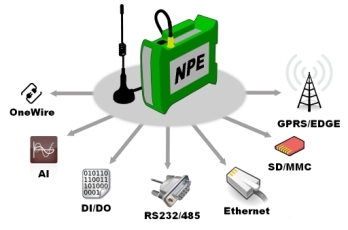
iMod does not require programming - it is a configurable device, which is very helpful during start-up of complex monitoring and control systems.
Method of functioning
Internal structure of the iMod system
Diagram below illustrates data transfer in specyfic channels 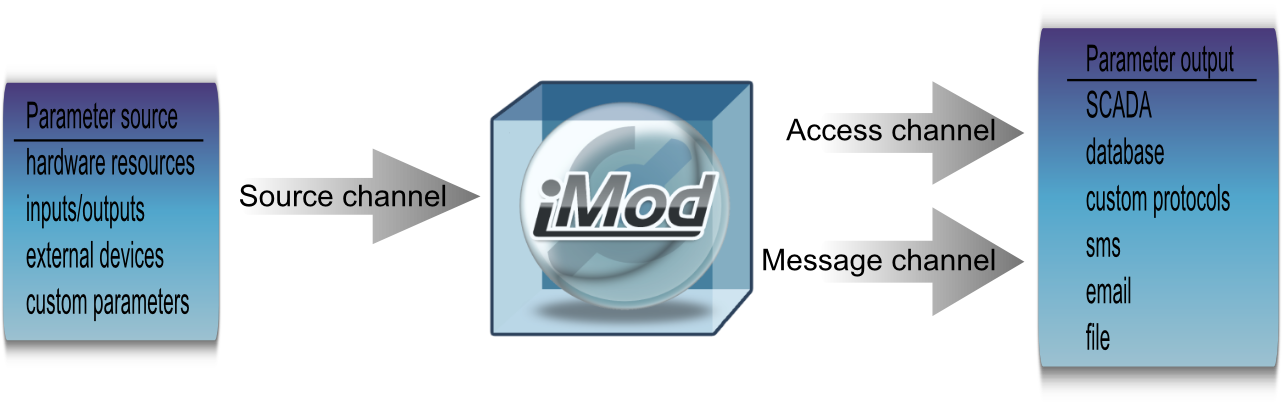 The iMod platform also defines a coherent method of configuration – thanks to which, a single .xml file can comletely change the method of the device's functioning. This file defines the entire logic of the iMod application./p> Adding dedicated channels/protocols – iMod architecture makes it possible to add additional channels (protocols) in the plug-in system. Thanks to this functionality, the TRM device series has been developed. This guarantees that the application works in a systematic way based on one coherent system.
Internal Structure  GSM/GPRS/EDGE Modem
Related products
Collapse
Similar products
 Industrial computer, Linux ARM9 32-bit RISC 180MHz 200MIPS CPU. 1GB Flash mem. 2... Product features  NPE-9300 GPRS
Industrial computer, Linux ARM9 32-bit RISC 180MHz 200MIPS CPU. 2x RS232, 1x RS4... Product features NPE-9201R-GPRS
  Industrial computer, Linux ARM9 32-bit RISC 180MHz 200MIPS CPU. 2x RS232, 1x RS4... Product features NPE-9100R-GPRS
DI/DO depends on type, built in GSM/GPRS modem,, Industrial computer, Linux ARM9... Product features NPE-910x-GPRS-SNMP
Built-in USB interface, built in GSM/GPRS modem,, Industrial computer, Linux ARM... Product features NPE-9100-GPRS
Industrial computer, Linux ARM9 32-bit RISC 180MHz 200MIPS CPU. 2x RS232, 1x RS4... Product features NPE-9201-GPRS
 Combines functional -W and -d with the ability to download recorded data from a ... Product features TRM212-DW
Modbus protocol support, built in GSM/GPRS modem,, Built-in USB interface, Indus... Product features NPE-9100-GPRS-MODBUS
Industrial computer, Linux ARM9 32-bit RISC 180MHz 200MIPS CPU. 1GB Flash mem. 2... Product features NPE-9300R GPRS
Industrial computer, Linux ARM9 32-bit RISC 180MHz 200MIPS CPU. 2x RS232, 1x RS4... Product features NPE-9200-GPRS
Industrial computer, Linux ARM9 32-bit RISC 180MHz 200MIPS CPU. 2x RS232, 1x RS4... Product features NPE-9200R-GPRS
Industrial computer, Linux ARM9 32-bit RISC 180MHz 200MIPS CPU. 2x RS232, 1x RS4... Product features NPE-9201R-GPRS-MODBUS
Modbus protocol support, built in GSM/GPRS modem,, 2xDO, 2 x relay outputs, Indu... Product features NPE-9100R-GPRS-MODBUS
DI/DO depends on type, built in GSM/GPRS modem,, Industrial computer, Linux ARM9... Product features NPE-920x-GPRS-SNMP
Danfoss ECL200/300 controller, bi-directional data exchange, Modbus TCP from Eth... Product features TRM212-D
Built-in WWW server, viewing and controlling the system., Danfoss ECL200/300 con... Product features TRM212-W
|
||||||||||||||||||||||||||||||||||||||||||||||||||||||||||||||||||||||||||||||||||||||||||||||||||||||||||||||||||||||||||||||||||||||||||||||||||||||||||||||||||||||||||||||||||||||||||||||||||||||||||||||||||||||||||||||||||||||||||||||||||||||||||||||||||||||||||||||||||||||||||||||||||||||||||||||||||||||||||||||||||||||||||||||||||||||||||||||||||||||||||||||||||||||||||||||||||||||||||||||||||||||||||||||||||||||||||||||||||||||||||||||||||||||||||||||||||||||||||||||||||||||||||||||||||||||||||||||||||||||||||||||||||||||||||||||||||||||||||||||||||||||||||||||||||||||||||||||||||||||||||||||||||||||||||||||||||||||||||||||||||||||||||||||||||||||||||||||||||||||||||||||||||||||||||||||||||||||||||||||||||||||||||||||||||||||||||||||||||||||||||||||||||||||||||||||||||||||||||||||||||||||||||||||||||||||||||||||||||||||||||||||||||||||||||||||||||||||||||||||||||||||||||||||||||||||||||||||||||||||||||||||||||||||||||||||||||||||||||||||||||||||||||||||||||||||||||||||||||||||

 Selection Guide
 NPE Introduction
 iModCloud
 iMod Series